
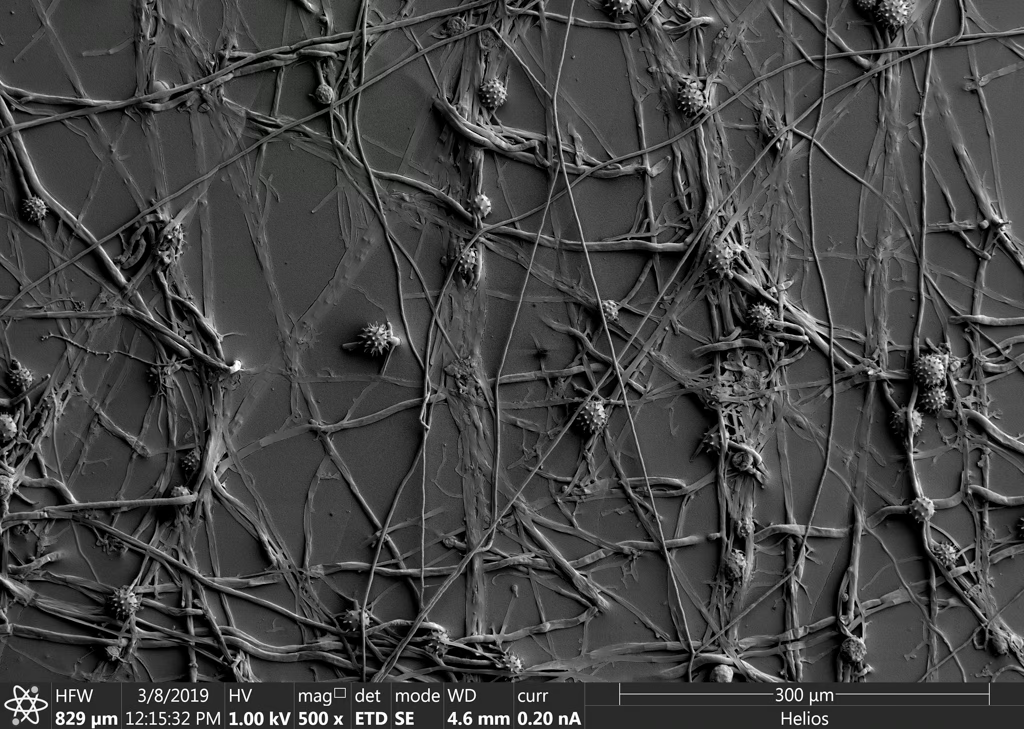
Not all microorganisms in the soil are threats. Some are powerful allies.
Pythium oligandrum is one of the few soil microbes proven to actively protect plants while supporting their natural growth processes.
Soil is one of the most complex biological systems on Earth. In just one gram of soil, there can be more than one billion microorganisms, including bacteria, fungi, and oomycetes.
Many members of the oomycete group are known plant pathogens. Pythium oligandrum is different. Instead of causing disease, it interacts with plants in a beneficial way.
Because of this unique behavior, Pythium oligandrum has become an important tool in modern biological plant protection and Integrated Pest Management systems.
This article explains what Pythium oligandrum is, how it works, and why it is used in agriculture today.

What kind of microorganism is Pythium oligandrum?
Pythium oligandrum is a naturally occurring soil microorganism belonging to the group of oomycetes, sometimes referred to as “water molds.”
While many oomycetes are pathogenic to plants, Pythium oligandrum does not attack plant tissues. Instead, it colonizes the rhizosphere – the zone surrounding plant roots – where it interacts with both the plant and other microorganisms.
Only a small fraction of soil microorganisms actively suppress plant pathogens.
This ecological role makes Pythium oligandrum a biological control organism rather than a disease agent.
How does Pythium oligandrum work?
Pythium oligandrum protects plants through three complementary biological mechanisms. These mechanisms operate simultaneously, which is why its effects are stable and long-lasting.
1. Mycoparasitism
The microorganism directly attacks harmful fungi in the soil. Pythium oligandrum produces enzymes that degrade pathogen cell walls and uses the released nutrients for its own growth.

This direct biological interaction lowers disease pressure without disrupting beneficial soil life.
2. Induced Plant Resistance
Pythium oligandrum releases metabolites that stimulate plant defense responses. These signals activate biochemical pathways that strengthen plant tissues and improve their ability to resist infections.
As a result, treated plants are better prepared to defend themselves against future disease pressure.
3. Plant Growth Stimulation
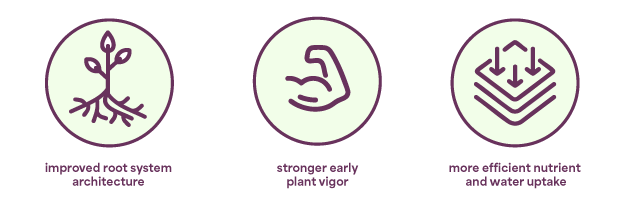
In addition to protection, Pythium oligandrum supports plant development by influencing phytohormone production.
This leads to:
Where and how is Pythium oligandrum used in agriculture?
Plant protection products based on Pythium oligandrum, such as Polyversum®, are used as fungicides across a wide range of crops, including:
- vegetables,
- cereals,
- fruit trees,
- ornamental plants.
They are suitable for:
- organic farming,
- conventional farming,
- Integrated Pest Management (IPM) programs.
Pythium oligandrum is a rare example of an oomycete that benefits plants rather than harming them.
By combining direct pathogen suppression, immune system activation, and growth stimulation, it provides a scientifically proven biological alternative to conventional fungicides.
As agriculture moves toward more sustainable systems, microorganisms like Pythium oligandrum are becoming an essential part of modern crop protection.
Want to explore more biological solutions for plant health?