
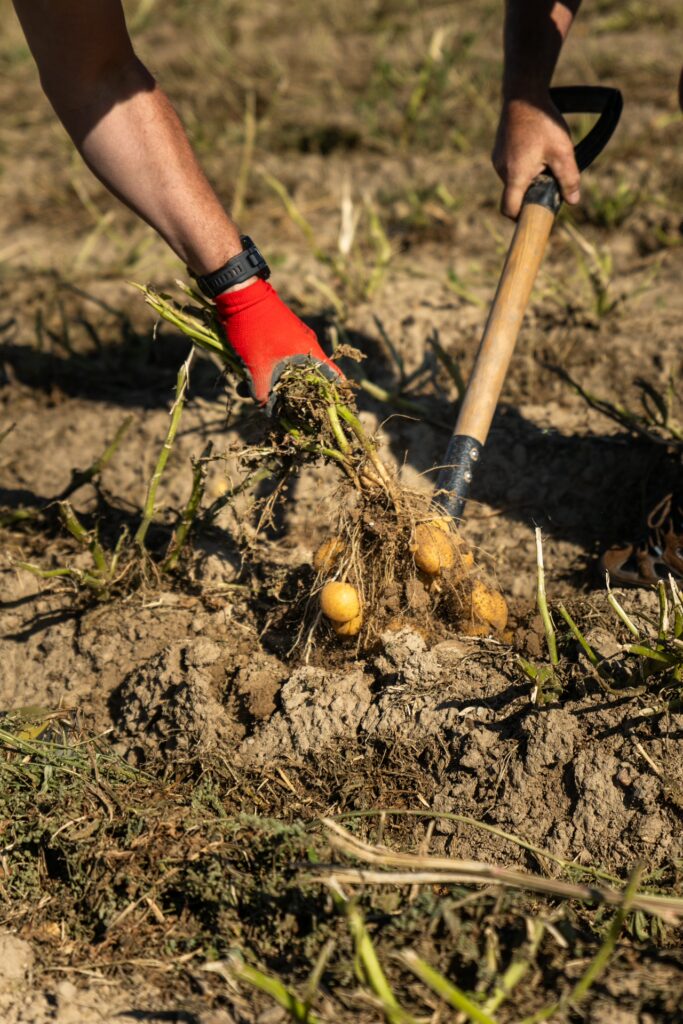
What if the best way to protect crops didn’t come from a bottle, but from the soil itself?
Microorganisms living in the soil are proving to be powerful allies in agriculture — naturally suppressing diseases, stimulating growth, and supporting resilient ecosystems.
Modern agriculture faces an unprecedented challenge: how to feed a growing population while preserving ecosystems. Synthetic chemicals have been the mainstay of crop protection for decades, but they often come with trade-offs: resistant pathogens, chemical residues, and damaged soil health.
Beneath our feet, a hidden army of microorganisms offers a sustainable alternative. Soil microbes — bacteria, fungi, and oomycetes like Pythium oligandrum — can protect plants in multiple ways: attacking pathogens, priming plant immunity, and stimulating growth.
At Biogama, we believe that leveraging these natural allies is not just an option — it’s the future of crop protection.
What Is Pythium oligandrum — and Why Is It Different?
1. Natural Pathogen Suppression
Soil microbes actively compete with harmful fungi, bacteria, and nematodes. Some, like Pythium oligandrum, act as mycoparasites, directly attacking pathogenic fungi and reducing their populations without chemical residues.
INSIGHT BOX
1 gram of healthy soil can contain over 1 billion microorganisms, but only a small fraction actively protects plants.
This natural competition keeps diseases in check before they can impact crops.
2. Enhancing Plant Immunity
Certain microbes communicate with plants through chemical signals, activating induced resistance. This primes plants to respond more effectively to future infections, strengthening cell walls and boosting internal defenses.
QUOTE BOX
“Soil microbes don’t just fight pathogens — they teach plants to defend themselves, creating resilient crops.”
— Biogama Research Team (popř. Ing. Tomáš Vaněk, Ph.D., Production Manager)
By working proactively, microbes reduce the need for reactive chemical treatments.
3. Supporting Growth and Resilience
Healthy plants are naturally more resistant to stress and disease. Soil microbes contribute to better root development, nutrient uptake, and overall plant vigor. This improves both yield and quality while maintaining soil fertility over the long term.
DATA / BULLET BOX
- Stimulate phytohormones for growth
- Improve root architecture and nutrient absorption
- Increase plant tolerance to abiotic stress (drought, salinity)
From lab to field: practical benefits
Products based on beneficial soil microbes, like Polyversum®, are already transforming agriculture:
- Suitable for organic and conventional farming
- Compatible with Integrated Pest Management (IPM)
- No pre-harvest interval required
- No chemical residues in harvested crops

Growers benefit not only from disease suppression but also from improved crop vitality, yield stability, and sustainable soil health.
Soil microbes represent a paradigm shift in agriculture: from reactive chemical control to proactive, biologically driven crop protection. They protect plants from the inside out, strengthen ecosystems, and support sustainable farming practices.
In a future where productivity and sustainability must go hand in hand, microbes are not an alternative — they are the foundation.
Want to explore how biological solutions can transform your crops?